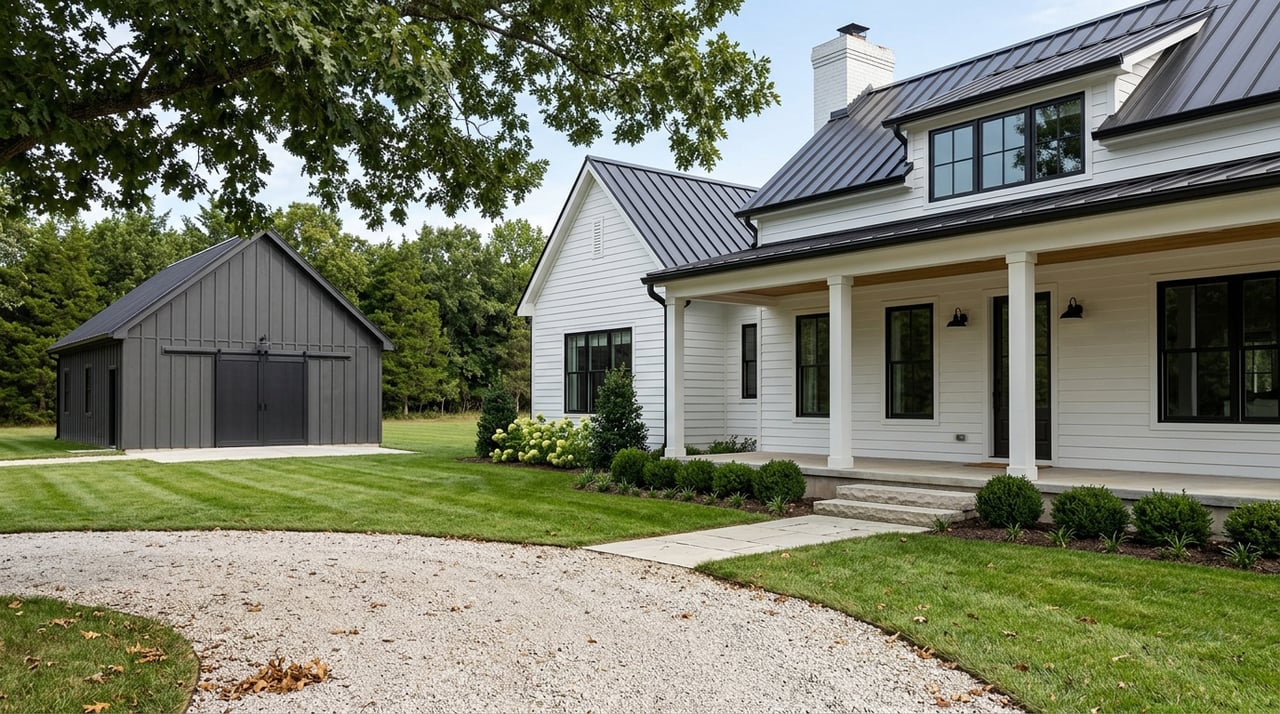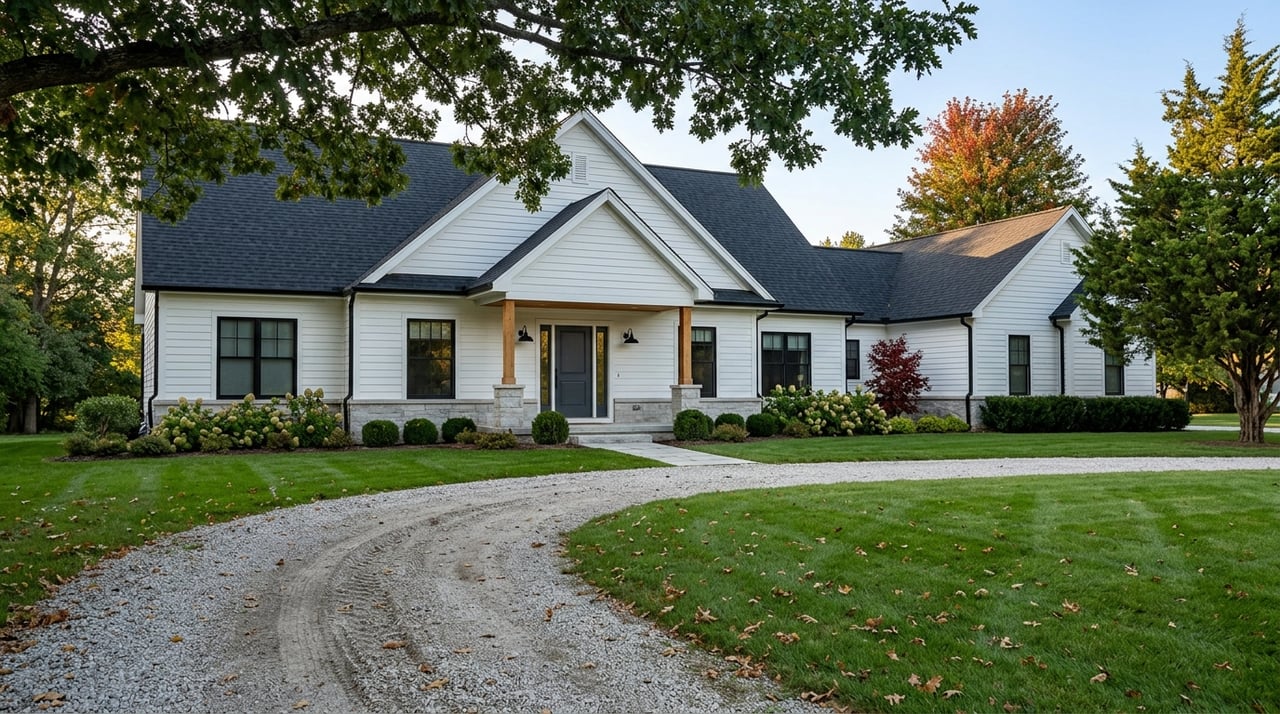
Dreaming about more land, more privacy, and a slower daily pace in Williamson County? Acreage in College Grove can absolutely offer that, but it also comes with a different rhythm than many buyers expect. If you are considering life on a larger homesite here, understanding the day-to-day realities can help you buy with more confidence and fewer surprises. Let’s dive in.
Why acreage fits College Grove
College Grove’s rural feel is not accidental. Williamson County planning documents describe the village as a place meant to preserve small-town character, open space, agricultural uses, and a rural quality of life.
That shows up in the land-use mix. The county’s plan notes that agricultural land makes up 327.16 acres, or 40.6% of the area inventoried, while single-family residential land uses account for 144 acres. In simple terms, land is part of the lifestyle here, not just the setting around it.
For you as a buyer, that can mean a stronger sense of separation from neighbors, wider views, and more breathing room. It also means the experience is often very different from living in a denser suburban neighborhood with nearby retail and public utilities.
What daily life feels like
If you move to acreage in College Grove, your routine will likely feel more car-based and self-directed than suburban life. Horton Highway, also known as US 31-A, is the village’s main arterial road and key connection to SR 840, Nolensville, and Metro Nashville-Davidson County.
Commercial land uses make up less than 2% of the village acreage, according to the county plan. That helps explain why errands, activities, and most off-property routines usually involve driving rather than walking to nearby shops or services.
For many buyers, that is part of the appeal. You get quieter surroundings, more open space, and more time spent on your own property instead of in a denser neighborhood pattern.
The tradeoff between privacy and convenience
Acreage living often gives you something that is hard to find in more built-out areas: room to spread out. You may have space for outdoor projects, a larger yard, or simply more distance between your home and the next one.
At the same time, fewer nearby services can change how you plan your week. Grocery runs, appointments, and school or activity drop-offs may take more coordination than they would in a more convenience-focused suburb.
That does not make one lifestyle better than the other. It simply means College Grove acreage tends to be a better fit if you value privacy, open space, and a rural setting more than quick access to clusters of shops and services.
Not every acre is equally usable
One of the biggest acreage misconceptions is that all land on a property functions the same way. In College Grove, that is often not the case.
Williamson County’s planning documents note that parts of the village include floodplain, woodlands, and steep slopes. The plan also references a protected 230-acre wildlife management area along the Harpeth River.
That matters because total acreage and usable acreage are not always the same thing. Some portions of a property may be best suited for natural buffer space, views, or habitat rather than gardens, outbuildings, or other future uses.
Questions to ask about land use
Before you fall in love with the view, it helps to get specific about how the land can actually function. A few practical questions can go a long way:
- How much of the property is wooded, sloped, or in floodplain?
- Which areas are most usable for outdoor living or future improvements?
- Are there natural features that limit where structures can go?
- How does the land lay across different seasons and drainage conditions?
These are not small details on acreage. They shape how you will live on the property year after year.
Septic is a major part of the conversation
For acreage properties in College Grove, wastewater is one of the most important due-diligence topics. The county plan states that sewer service beyond traditional septic systems was not available in the village at the time of the plan, and that septic use was limited on many properties because of unsuitable soils.
Williamson County zoning rules also require proof of proper wastewater disposal and potable water for development applications. That means lot size alone does not tell you whether a property will work the way you hope it will.
If a property uses septic, or may need a new or modified system in the future, soils and site conditions matter. In Tennessee, the Department of Environment and Conservation requires a septic system construction permit for anyone installing or repairing a subsurface sewage disposal system.
Why septic due diligence matters
A septic system is not just a box to check. It affects your daily use of the home and can influence future plans for the property.
Routine maintenance is part of ownership. EPA guidance notes that septic systems in rural areas should generally be inspected every three years and pumped every three to five years, with routine maintenance often costing about $250 to $300 every three to four years, compared with roughly $3,000 to $7,000 for repair or replacement of a malfunctioning system.
That is why buyers should understand the current system, maintenance history, and site conditions before closing. On acreage, infrastructure details can be just as important as the house itself.
Well water may add another layer of responsibility
Some acreage homes rely on private wells rather than public water. If that is true for the property you are considering, water testing becomes part of responsible ownership.
CDC and EPA guidance says the owner is responsible for private well water safety. They recommend annual testing for coliform bacteria, nitrates, total dissolved solids, and pH, with additional testing based on local conditions.
For many buyers coming from a neighborhood on public utilities, this is a meaningful shift. It is not necessarily a drawback, but it is a different kind of responsibility that should be part of your planning and budget.
What to budget for beyond the house
Acreage living usually involves more ongoing property care than a typical suburban lot. Your costs may extend beyond the mortgage and standard home maintenance.
Common expenses can include:
- Land maintenance
- Driveway upkeep
- Fencing needs
- Septic inspections and pumping
- Annual well testing, if applicable
- Equipment or contractor help for larger outdoor tasks
The exact numbers will vary by property, but the pattern is consistent. More land usually means more responsibility.
Who tends to enjoy acreage most
College Grove acreage often appeals to buyers who want a quieter setting and do not mind a more hands-on property lifestyle. If you enjoy outdoor space, privacy, and a less dense environment, this type of home can feel like a real upgrade in quality of life.
It can also be a strong fit for buyers relocating from other areas who want a more rural-adjacent Williamson County experience. The key is matching your expectations to the reality of the property and the area.
On the other hand, if you want short trips to shops, easy utility connections, and minimal exterior maintenance, a denser suburb may be more aligned with your daily preferences. The right choice depends less on price point and more on how you want to live.
How to buy acreage wisely
Buying acreage in College Grove is often less about finding the prettiest lot and more about asking the right questions early. A beautiful setting can absolutely be the right fit, but only if the land, utilities, and infrastructure support your goals.
As you compare properties, focus on both lifestyle and logistics. Think about how often you are comfortable driving for daily needs, how much land care you want to handle, and whether the property’s usable acreage fits the way you actually plan to live.
A thoughtful buying process can help you avoid expensive surprises later. In a market like College Grove, that kind of preparation is one of the best ways to protect both your budget and your peace of mind.
If you are considering acreage in College Grove, having local guidance can make a big difference. Sandra Hill can help you look beyond the listing photos, understand the practical side of rural-adjacent living, and find a property that truly fits your goals.
FAQs
What is everyday life like on acreage in College Grove, TN?
- Daily life on acreage in College Grove is typically quieter, more private, and more car-dependent than life in a denser suburb, with most errands and activities requiring a drive.
Is all acreage on a College Grove property usable?
- No. Some land in College Grove may be wooded, steep, or within floodplain, so total acreage and usable acreage are not always the same.
Do College Grove acreage homes usually have sewer service?
- Williamson County’s plan states that sewer service beyond traditional septic systems was not available in the village at the time of the plan, so septic is a key issue to review.
What should buyers know about septic systems in College Grove, TN?
- Buyers should confirm system details, maintenance history, and site conditions because soils and wastewater disposal requirements can affect both current use and future plans for the property.
Do private wells in College Grove need testing?
- Yes. CDC and EPA guidance recommends annual testing for private wells, including checks for coliform bacteria, nitrates, total dissolved solids, and pH.
Is College Grove acreage a good fit for every buyer?
- No. College Grove acreage tends to fit buyers who value open space and privacy and are comfortable with more maintenance, utility due diligence, and a drive-based routine.