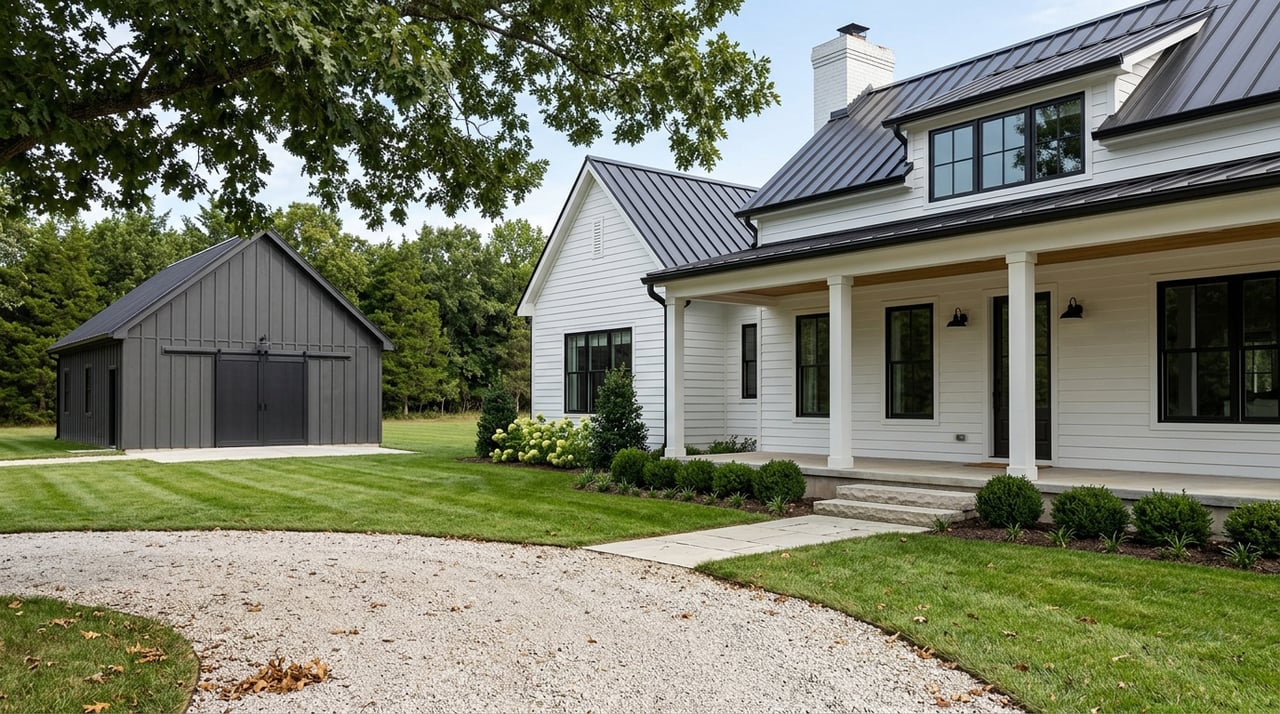
If you are dreaming about a horse-friendly property in College Grove, it is easy to focus on the picture-perfect parts first: open land, a barn, and room to ride. But before you buy or build, the real questions are more practical. Can the parcel legally support your plans, is the land set up for horses, and will the property work for you long term? That is where careful planning matters most. This guide will help you think through zoning, acreage, pasture, structures, and ownership realities so you can make a smarter move in College Grove. Let’s dive in.
Start With Zoning First
In College Grove, zoning is the first checkpoint for any equestrian plan. Williamson County says the area has a special area plan created to support the local development pattern and preserve open space, and those standards are incorporated into the zoning ordinance. Because the ordinance can change over time, the county advises buyers to confirm a parcel’s current zoning with planning staff before making horse-related assumptions.
You can review the county’s College Grove Special Area Plan and current zoning resources to understand the framework. This matters because two properties with similar acreage may have very different use options depending on the zoning district.
Village parcels may work differently
Some buyers assume any land in College Grove will allow a full equestrian setup. That is not always the case. The county’s current standards show lot sizes of 15,000 square feet in the core subarea of the College Grove Village District and 1/2 acre residential / 1 acre nonresidential in the general village subarea.
That does not automatically tell you what is allowed on a specific parcel, but it does show why location inside the village district versus a more rural district can make a big difference. If you want horses, a barn, or future improvements, you should verify the parcel’s exact zoning and development standards before moving forward.
Know Private vs. Commercial Horse Use
Williamson County does not treat all horse properties the same. The ordinance draws a clear line between private horse keeping and commercial equestrian use, and that distinction can affect whether a property fits your goals.
Private horse keeping
The county defines a stable accessory to a residential use as a building incidental to an existing residential principal use that shelters equine for the exclusive use of the occupants. The accessory-use table shows that this type of stable is permitted in many districts.
In plain terms, if you want horses for your own household use, your path may be different from someone planning a boarding or training business. Still, “permitted in many districts” does not mean permitted everywhere, so parcel-level verification remains essential.
Commercial equestrian facilities
The county defines equestrian facilities as commercial boarding or training facilities for equine owned by someone other than the property owner. For these facilities, the current ordinance requires:
- 15 acres minimum
- No more than one equine per 2 acres
- One inside stall for every two animals kept overnight
- 100-foot setbacks for outdoor corrals, riding areas, manure piles, feed, and bedding
- 150-foot setbacks for roofed structures
The ordinance also notes that run-in sheds have smaller setbacks, pastures may extend to any property line, and equestrian facilities must comply with county stormwater and building-code rules. You can review these standards in the current Williamson County zoning ordinance.
Acreage Affects More Than Legality
Even if zoning supports horse use, the land still has to function well. Acreage affects feeding, turnout, mud control, manure management, and how much flexibility you have as your plans change.
According to UT Extension pasture guidance, a pasture generally needs about 2 to 3 acres per mature horse if you expect it to provide most of the horse’s diet. If you have less land than that, the area works more like an exercise lot and usually needs more active management.
Smaller tracts need realistic expectations
A smaller tract may still suit your lifestyle, but it may not perform like a grazing property. With tighter acreage, you may deal with more mud, weed pressure, and manure buildup. That can increase maintenance and reduce the pasture’s value as a feed source.
This is why buyers should think beyond “Can I keep a horse here?” and ask, “How will this property operate every week, in every season?” That question often leads to better decisions.
Plan Barns and Structures Early
If a property does not already have the setup you want, your next question is usually whether you can add it later. That answer depends on zoning, setbacks, building rules, and how the site is laid out.
Williamson County’s ordinance includes setback rules for equestrian-related features, and the county also treats accessory structures differently based on lot size. On parcels greater than five acres, accessory structures can sometimes be placed in side or front yards if setback requirements are met.
Site layout matters
A workable horse property is not just about total acreage. You also need enough usable area for drive access, barn placement, turnout, manure handling, feed storage, and safe separation between features.
That is especially important if you are comparing raw land, lightly improved acreage, or a home where you hope to add a barn later. A parcel can look spacious at first glance but still have layout constraints that affect what you can actually build.
Evaluate the Pasture, Not Just the View
Good pasture can support your horse plan. Poor pasture can become an expensive project. UT Extension notes that properly managed pasture can provide much of a horse’s feed, while poorly managed pasture can become low-quality forage and a management issue.
Before you buy, look closely at how the land is performing today and what it may need next. If the pasture is thin, overgrazed, weedy, or uneven, you may be signing up for more improvement work than you expected.
Soil testing comes first
UT Extension says soil testing is the only way to know lime and fertilizer needs. It also discusses stand establishment, cool-season grasses, stand density, and the choice between conventional and no-till seeding as part of pasture renovation.
If you are planning to reseed or improve pasture, a soil test gives you a practical starting point. It can help you budget better and avoid guessing at what the land needs.
Tennessee forage choices matter
Most Tennessee pastures use cool-season grasses, and UT Extension notes that tall fescue is the predominant grass in the state. That makes forage identification an important part of due diligence when you are evaluating a horse property in College Grove.
For many owners, this may simply be a management detail. But if your plans involve breeding or keeping mares, it becomes much more significant.
Breeding plans need extra care
UT Extension notes that endophyte-infected tall fescue can cause problems for pregnant mares, especially in the final two months before foaling. If breeding is part of your long-term plan, pasture composition should be part of your property review from day one.
That does not mean every pasture with tall fescue is a deal-breaker. It means you should understand what is growing there and what management changes may be needed.
Think About Long-Term Costs and Support
Horse ownership is not just a land purchase. It is an ongoing systems decision that involves care, maintenance, service providers, and long-term budgeting.
Williamson County’s local equine service directory shows the range of support many owners rely on, including veterinarians, farriers, feed suppliers, fence builders, barn builders, water-supply vendors, pasture and hay services, horse trainers, and extension staff. For first-time acreage buyers, this is a helpful reminder that daily operations matter as much as the property itself.
Tax treatment is separate from horse use
Some buyers also assume that owning acreage with horses means the property will automatically qualify for agricultural tax treatment. Williamson County’s Greenbelt program overview shows that the review is more specific than that.
The county says agricultural land must generally be at least 15 acres, actually engaged in agricultural activity, and not merely planned for farming. It also notes a March 15 application deadline, a $1,500 average annual gross farm-income presumption over three consecutive years, and rollback assessments if the land no longer qualifies.
For many hobby-horse properties, that means Greenbelt status is not automatic just because horses are present. If tax strategy is part of your buying decision, it deserves its own verification early in the process.
Questions To Ask Before You Buy
When you are touring equestrian-friendly properties in College Grove, keep your focus on both current use and future flexibility. A beautiful setting is only part of the equation.
Use this checklist to guide your review:
- What is the parcel’s current zoning district?
- Is the property in the College Grove Village District or a more rural district?
- Is your intended use private horse keeping or a commercial equestrian use?
- Does the parcel meet current acreage and setback standards for your plan?
- If you want to add a barn later, where can it realistically go?
- How much usable pasture is there today?
- Will the land function as true pasture or more like an exercise lot?
- Has the soil been tested, and what improvements may be needed?
- What forage is growing on the property now?
- If tax treatment matters, does the property appear to meet Greenbelt requirements?
Why Local Guidance Helps
Equestrian-friendly property decisions usually involve more moving parts than a standard home search. You may need to compare zoning details, read site layout carefully, and think through improvements before you ever make an offer.
That is where local guidance can save you time and help you avoid expensive assumptions. If you are planning a horse-friendly move in College Grove, Sandra Hill can help you evaluate properties with a practical, local perspective and connect your search to the right next steps.
FAQs
Can you keep horses on a small property in College Grove?
- It depends on the parcel’s zoning, whether the use is private or commercial, and whether the site can support the needed structures and setbacks under current Williamson County rules.
What is the minimum acreage for a commercial equestrian facility in Williamson County?
- The current Williamson County ordinance requires 15 acres minimum for a defined equestrian facility, along with animal-density, stall, setback, stormwater, and building-code requirements.
Does College Grove zoning allow horse barns everywhere?
- No. Williamson County treats horse-related uses differently by zoning district, so you should verify the exact parcel zoning and applicable standards before assuming a barn or horse setup will be allowed.
How much pasture does one horse need in Tennessee?
- UT Extension says a pasture typically needs about 2 to 3 acres per mature horse if it is expected to provide most of the horse’s diet.
What pasture issue matters for pregnant mares in Tennessee?
- UT Extension notes that endophyte-infected tall fescue can cause problems for pregnant mares, especially during the final two months before foaling.
Does a horse property in Williamson County automatically qualify for Greenbelt?
- No. The county says Greenbelt eligibility is a separate review that generally requires at least 15 acres, active agricultural use, and meeting other program standards.