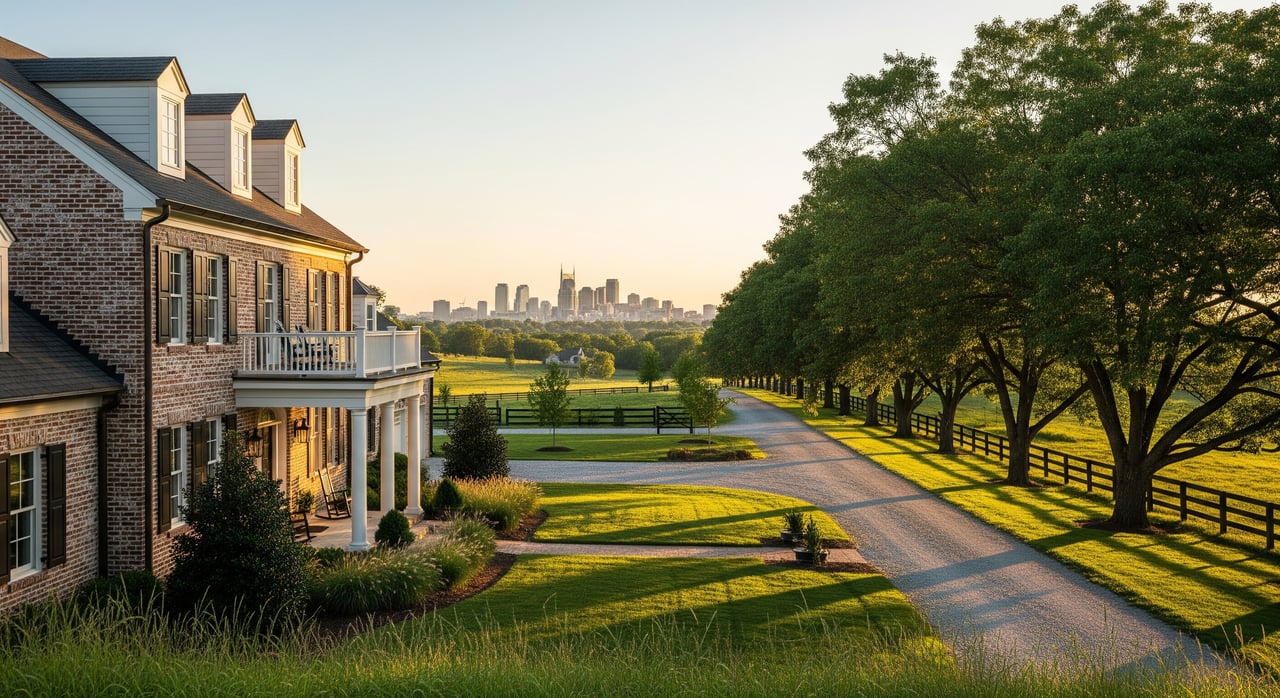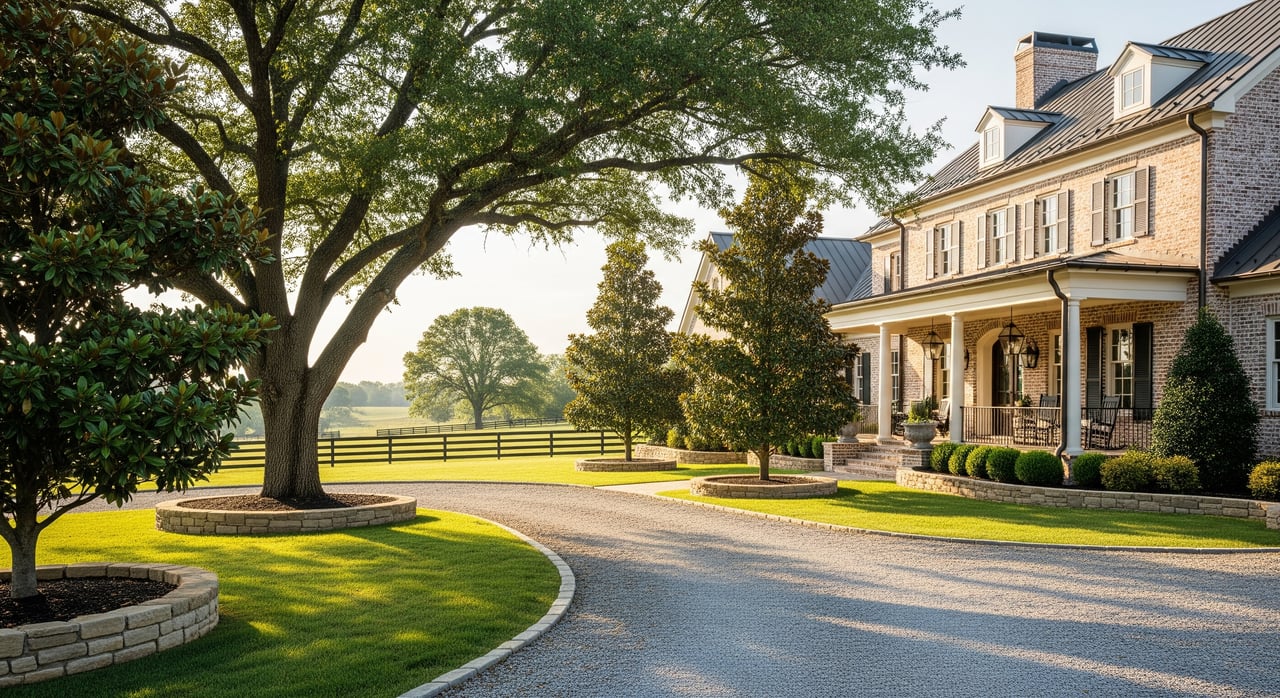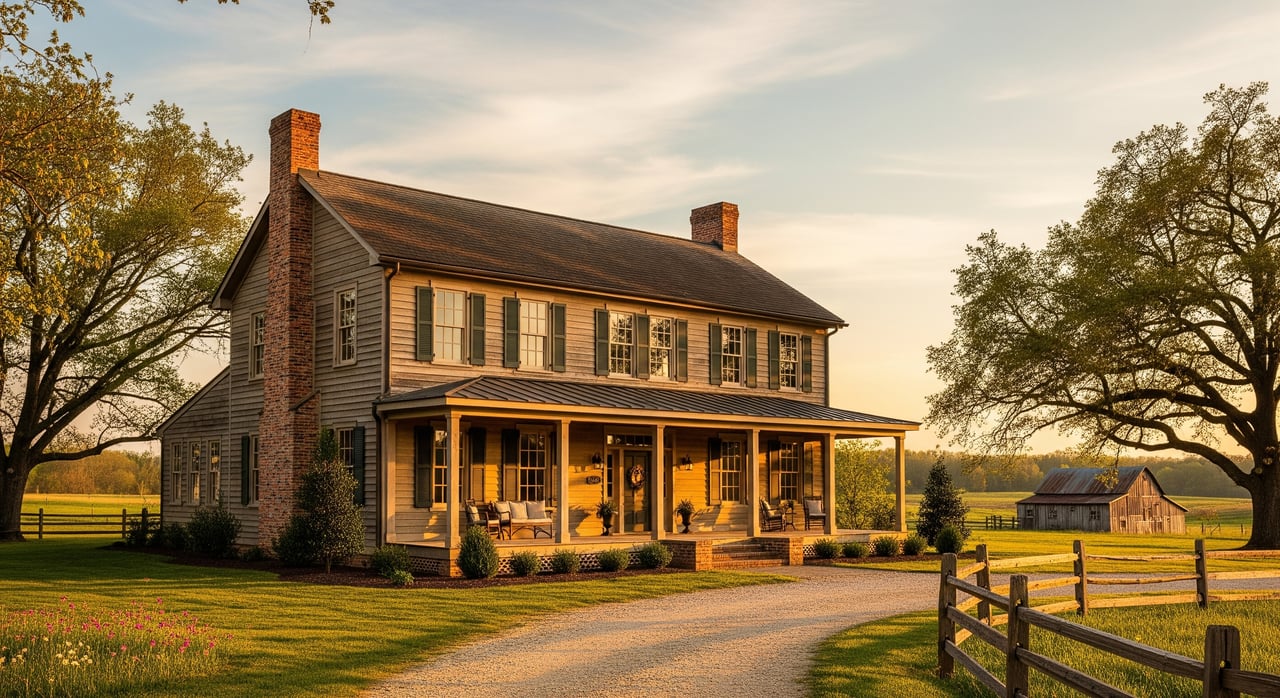
Picture this: a sunlit front porch, hand-hewn beams, and rolling Williamson County views just minutes from Franklin. If you’re drawn to homes with history and heart, Leiper’s Fork can feel like a perfect fit. Still, historic properties come with unique rules, costs, and timelines that are easy to underestimate. This guide walks you through what to verify, which inspections to order, how to finance renovations, and what affects resale in 37064. Let’s dive in.
Leiper’s Fork historic character
Leiper’s Fork is an unincorporated village in western Williamson County known for rural charm, 19th–early-20th century buildings, and a strong arts culture. Many buyers want authentic architecture with commuter access to Franklin and Nashville. That demand can support values, but also increases competition for well-preserved homes.
Some properties may be listed on the National Register of Historic Places or sit within areas with preservation rules. You can check the National Register of Historic Places database and contact the Tennessee Historical Commission for guidance. Historic status can influence what you can change, how you permit work, and which incentives may apply.
Verify historic status first
Before you fall in love with plans for the kitchen, confirm a property’s designations and recorded restrictions.
- Check if the home is listed or within an overlay using the National Register database and the Tennessee Historical Commission.
- Ask the seller for any prior approval letters, design reviews, or permits for past work.
- Order a title commitment and review recorded instruments for preservation easements or deed restrictions at the county Register of Deeds.
Historic listings or easements can limit exterior changes and demolition. They can also affect timelines if design review is required.
Know the rules before you renovate
Williamson County oversees permits and inspections for unincorporated Leiper’s Fork. That usually includes permits for structural work, electrical, plumbing, and HVAC. If a home is within a historic overlay, exterior changes may require design review and approval.
- Ask county planning and building staff about permits for your project scope and any local review steps.
- Confirm whether demolition or relocation of older structures would trigger a delay or review.
- Many homes use septic systems or wells. Plan for permits, capacity verification, and possible replacement timelines if upgrades are needed.
A short call with county staff early in your due diligence can save weeks later.
Inspections that protect you
Older homes reward careful inspection. Build a team that understands historic construction and local risks.
- General home inspection. Hire a licensed inspector experienced with older homes.
- Structural. If you see sagging floors, wall cracks, or a stone or pier foundation, add a structural engineer.
- Electrical. Look for knob-and-tube or cloth wiring, undersized panels, and non-GFCI outlets. Insurers often require updates.
- Plumbing. Galvanized or cast-iron pipes can corrode. Evaluate sewer laterals, well pumps, and septic tanks.
- HVAC and roof. Determine age, capacity, and remaining life. Roofing choices can affect both cost and historic character.
- Energy and moisture. Check insulation, air sealing, site drainage, guttering, and crawlspace ventilation. Verify flood risk with FEMA flood maps.
- Hazardous materials. For pre-1978 homes, consider lead and asbestos testing if you plan renovations. Review EPA guidance on lead-based paint.
- Pest inspection. Termites and moisture damage are common in Middle Tennessee. Get a thorough wood-destroying organism report.
Get written estimates for needed work before finalizing your offer. Specialty repairs and code upgrades can add significant cost and time.
Financing, incentives, and insurance
Historic properties can be financed in several ways. The right option depends on condition, scope of improvements, and your timeline.
Renovation-friendly loans
- Conventional loans. Common for many purchases. Lenders may require repairs before closing or escrow holdbacks.
- FHA 203(k). Owner-occupants can combine purchase and qualified rehab under one loan. Review HUD’s FHA 203(k) overview.
- Fannie Mae HomeStyle Renovation. Another purchase-plus-renovation option with specific requirements.
- USDA Rural Development. Some Leiper’s Fork areas may qualify. Check USDA eligibility maps for property and income rules.
- VA loans. Veterans can explore eligibility and property condition standards.
Talk with a lender familiar with historic and renovation lending, and request pre-approval that includes your projected rehab budget.
Incentives and tax credits
- Federal Historic Rehabilitation Tax Credit generally applies to certified rehabilitations of income-producing historic buildings. Learn more from the National Park Service tax incentives page. Owner-occupied primary residences typically do not qualify unless a portion is income-producing.
- State or local incentives may vary. Contact the Tennessee Historical Commission to explore current programs and technical assistance.
If you may pursue incentives, plan early and review the Secretary of the Interior’s Standards for Rehabilitation before starting work.
Insurance and appraisal
- Insurance. Premiums can be higher for older systems. Insurers may require electrical upgrades or other improvements. If the home is in a floodplain, lenders may require flood insurance.
- Appraisal. Unique historic features can complicate comps. Provide your appraiser with documentation of historic details and recent upgrades to support value.
Resale and maintenance realities
Historic homes often have strong emotional appeal, but buyer pools can be more specific. Quality of restoration and the balance of modern amenities with original character influence both speed and price.
- Buyers notice system upgrades, kitchens, and baths. Thoughtful updates that respect the home’s fabric tend to perform best.
- Legal restrictions like easements or design review can narrow future buyer options. Disclose clearly.
- Older materials often need specialized care. For example, historic masonry may require lime-based mortar, not modern mixes.
- Sensible efficiency improvements, such as attic insulation and well-fitted storm windows, can improve comfort without altering historic character.
Your step-by-step checklist
Use this roadmap to reduce surprises and move confidently from interest to closing.
- Confirm status. Check national and state listings and ask about any local overlays or design reviews.
- Pull records. Order a title commitment and review recorded easements, covenants, and restrictions.
- Review permits. Request past permits and inspections; verify with county staff.
- Assess risks. Check flood maps and plan for septic or well evaluations if applicable.
- Order inspections. General, structural, electrical, plumbing, HVAC/roof, pest, and hazard testing as needed.
- Get bids. Secure multiple contractor estimates for required work and your planned improvements.
- Align financing. Explore 203(k), HomeStyle, USDA, VA, or conventional options that fit your scope.
- Plan timeline. Renovation loans and design review can extend closing. Build in buffer time.
- Write protections. Include contingencies for inspections, financing, and permit/approval outcomes.
- Review standards. If pursuing incentives, align plans with NPS rehabilitation standards before work begins.
Work with local guidance you can trust
Buying a historic home in Leiper’s Fork is both practical and personal. With clear due diligence, the right inspections, and a smart financing plan, you can protect your budget and preserve what makes the home special. If you’re considering a move in 37064, connect with a local advisor who understands Williamson County records, renovation timelines, and how historic character affects value. Reach out to Sandra Hill to talk through your goals and next steps.
FAQs
What makes Leiper’s Fork homes “historic” in 37064?
- Many homes date to the 19th and early 20th centuries; some may be listed on the National Register or be within areas with preservation rules that affect exterior changes.
How do I check if a home is listed or restricted?
- Search the National Register database, contact the Tennessee Historical Commission, and review recorded easements through county title records.
Which inspections are must-haves for older homes?
- A general inspection plus structural, electrical, plumbing, HVAC/roof, pest, and, if renovating, testing for lead and asbestos per EPA guidance.
Can I finance renovations with my purchase?
- Yes. Options include conventional loans with holdbacks, FHA 203(k), Fannie Mae HomeStyle, and USDA-eligible loans in qualifying areas.
Do historic homes qualify for tax credits?
- The federal credit typically applies to income-producing properties. Review NPS tax incentives and confirm state options with the Tennessee Historical Commission.
How can I manage flood or drainage risk?
- Check the property’s status on FEMA flood maps, review site drainage, and budget for improvements like gutters, grading, and crawlspace ventilation.