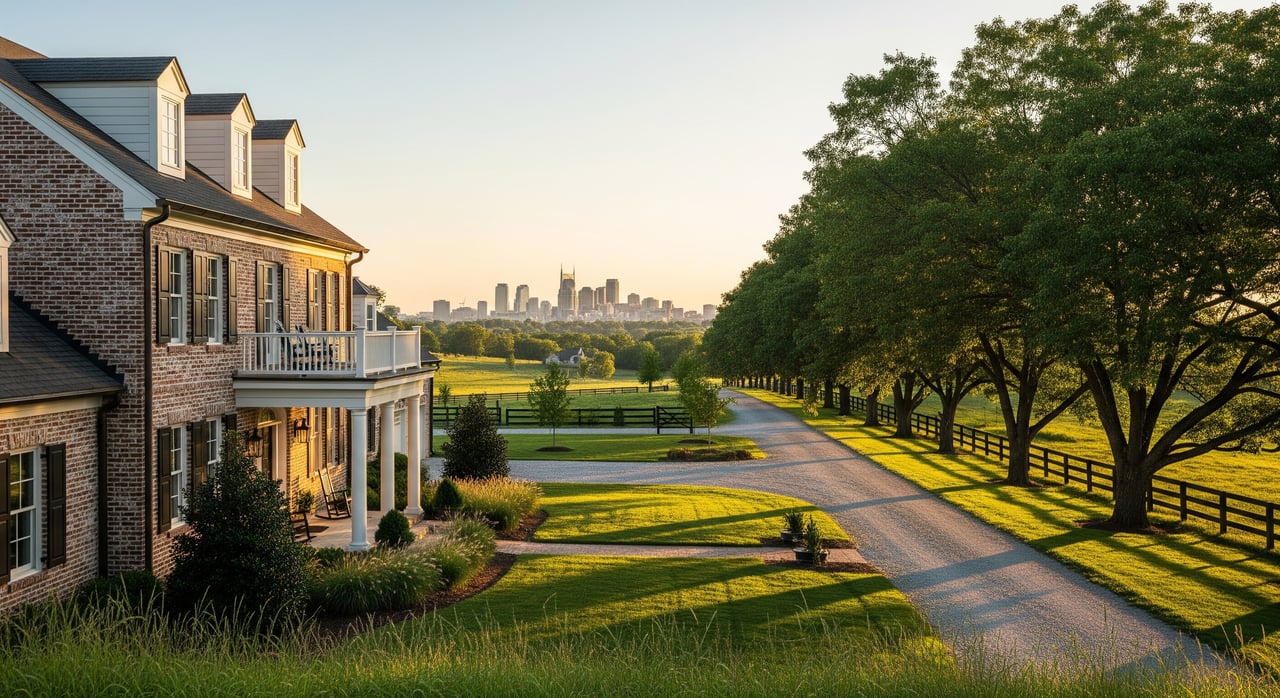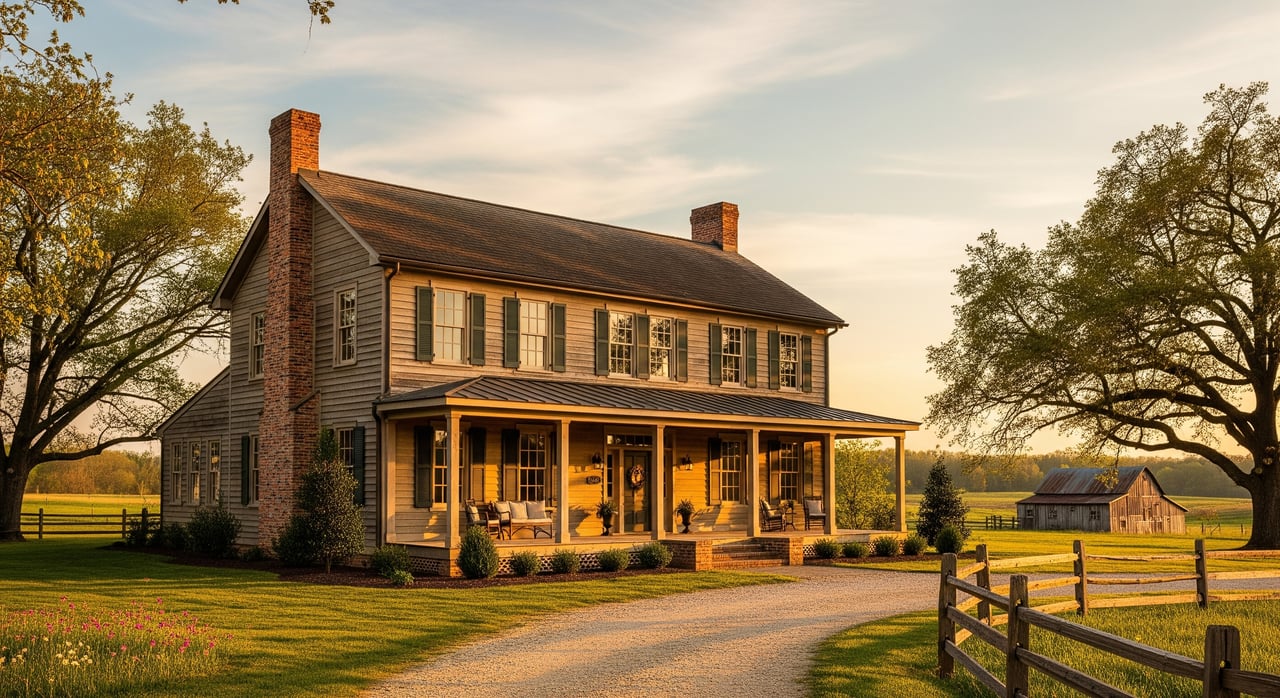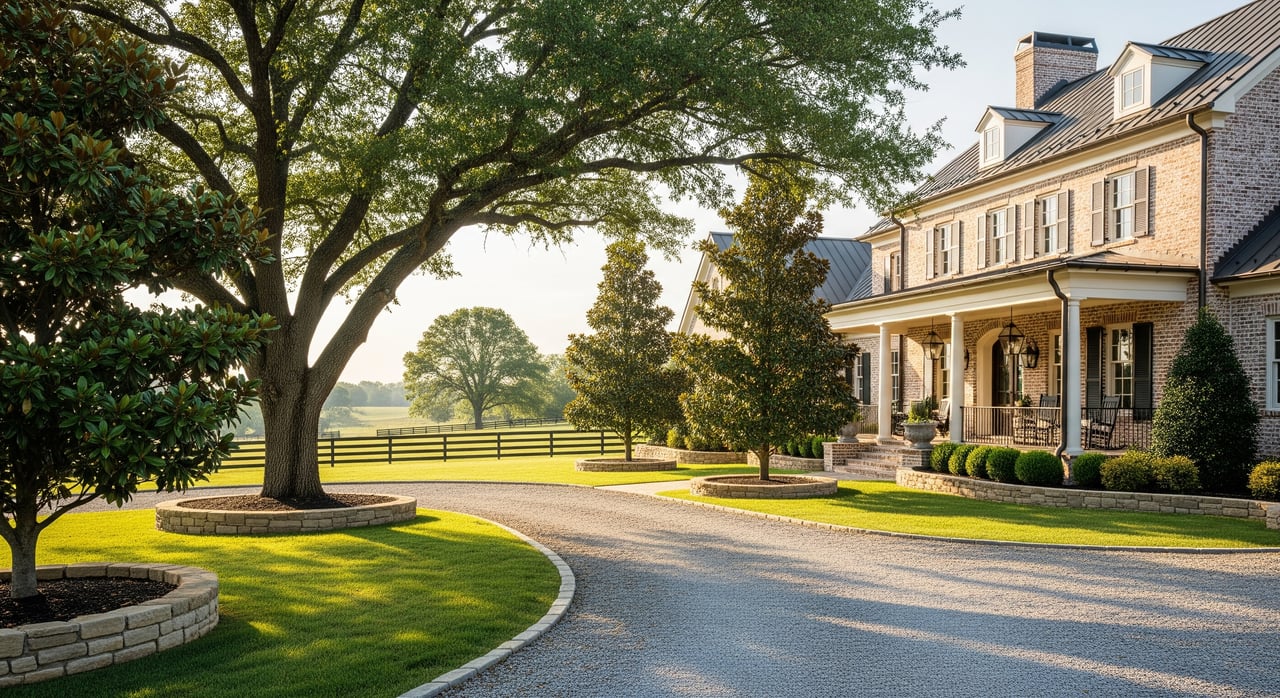
Thinking about trading city noise for fairway views and a quieter pace? If you are eyeing a golf community in College Grove, you are not alone. The lifestyle can be rewarding, but it also comes with unique costs, rules, and due diligence. In this guide, you will learn what to expect in College Grove’s golf neighborhoods, from memberships and HOA rules to utilities, insurance, and resale. Let’s dive in.
Why College Grove fits golf living
College Grove sits in southeastern Williamson County and blends new planned neighborhoods with larger estate and agricultural properties. Many residents choose the area for an amenity-rich lifestyle paired with a rural feel. Commuting to Franklin, Brentwood, or Nashville is common, which keeps demand steady for communities that offer both access and breathing room.
Williamson County is one of the higher-priced, higher-income counties in Tennessee, and public schools here are known for quality. If school access matters to you, confirm the exact assignment for any address you consider.
Home types and lot choices
You will see a range of homes in golf communities. Options can include lower-maintenance homes and townhomes in some developments, along with custom estates that back to fairways. Lots and setbacks are defined by each subdivision’s covenants.
If a course view is important, compare how different lots position the home in relation to play areas, cart paths, and tees. A direct fairway view can feel immersive. A more distant course view may offer extra privacy and fewer stray balls.
Prices, premiums, and resale
Golf-course communities often command a premium over similar non-golf neighborhoods. The size of that premium varies by the club’s reputation, membership type, and the condition of facilities. Buyers who value a clubhouse, fitness, tennis and pickleball, a pool, and a social calendar may be comfortable with higher prices and fees.
For resale, there is no guarantee that a golf address will outperform the wider market. Long-term value depends on local demand and the financial stability of the course and club. Review recent sales in the subdivision, and lean on local MLS data and county assessor records to set expectations for pricing and days on market.
HOA rules and what they mean
Most golf communities have a homeowners association. You should plan for regular dues, architectural review for exterior changes, landscaping standards, and rules that may limit short-term rentals. Special assessments can occur, especially when communities fund improvements or capital projects.
Ask for and read the HOA governance documents. Focus on the CC&Rs, bylaws, budget, and reserve study. Look for how the HOA enforces rules, who maintains what, and how assessments are decided. This will tell you what living in the neighborhood truly costs and what freedom you have to personalize your home.
Club memberships and fees
Membership models in College Grove range from fully private clubs to semi-private or resident-focused arrangements. Private clubs often require an initiation fee, monthly dues, and sometimes a food and beverage minimum. Some have assessment rights. Semi-private clubs may offer lower or optional initiation costs for residents, but you could still have playing fees or periodic assessments.
Before you write an offer, confirm the membership structure for your specific property. Key questions:
- Is membership mandatory, optional, or separate from homeownership?
- Does the sale include an equity or transferable membership?
- What are the initiation fees, dues, and any minimums?
- Are there transfer fees, waitlists, or approval requirements?
Utilities, septic, and wells
Because College Grove includes rural and semi-rural areas, utilities can vary by property. Some homes use municipal water and sewer. Others rely on private wells and septic systems. Septic systems have maintenance requirements and replacement costs.
Ask the seller for documentation on utility types. If the home has a septic system, obtain a current inspection and records of past service. Confirm any capacity limits that could affect future renovations or additions.
Life next to the fairway
Living course-side can be peaceful and scenic, but it is smart to plan for the day to day. Courses use fertilizers and pesticides as part of normal maintenance. If you have sensitivities, ask the club or HOA about integrated pest management policies. Early morning maintenance can mean mower or blower noise, and irrigation may run overnight.
Errant golf balls are possible for homes on or near fairways. Speak with your insurance provider about coverage for sports-related damage and liability. Also check how the HOA or club handles damage claims and whether there are setback buffers or netting.
Golf courses and low-lying areas can sit within FEMA flood zones or contain wetlands. Ask for drainage maps and any recent improvements. Review floodplain information and consider an elevation certificate if the property is near water features.
Commute and daily conveniences
Most buyers choose College Grove for lifestyle first and commute second. Drive peak-hour routes to your regular destinations before you commit. Some communities feel intentionally secluded, so plan how you will access medical care, groceries, and daily services.
For schools, confirm assignment by address through Williamson County Schools. Access to youth programs and club activities varies. If family programming is important to you, review the club’s calendar and speak with staff about seasonal events.
Due diligence checklist
Use this list to guide your pre-offer homework and contract contingencies:
- HOA and club documents: CC&Rs, bylaws, rules, current budget, reserve study, recent meeting minutes, and any pending litigation disclosures.
- Membership details: initiation and dues schedules, food and beverage minimums, transfer rules, approval requirements, and any deferred capital obligations.
- Financial health: assessment history and reserve funding for the HOA and club. Ask about planned capital projects.
- Property survey: confirm boundaries, easements, and any encroachments, especially if the lot backs to a fairway or path.
- Course and site maintenance: fertilizer and pesticide program, irrigation plans, and drainage maps.
- Inspections: standard home inspection, septic and well inspections if applicable, and a radon test.
- Insurance: verify coverage for golf ball damage and liability. Review any HOA or club insurance as it relates to common areas.
- Title and land use: title report plus any agricultural or conservation easements or development restrictions common to rural Williamson County parcels.
- Local data checks: recent comps from the local MLS, county assessor tax records, floodplain maps, and school assignment confirmation.
- Community fit: drive the neighborhood at different times to sample noise, maintenance schedules, and traffic.
For sellers: how to prepare
Pricing should be built around recent closed sales inside your community. Adjust for lot position and view, interior and exterior condition, upgrades, and any transferable membership or equity. A direct fairway view, updated outdoor living, or a renovated kitchen can be meaningful differentiators.
Lean into lifestyle marketing. Showcase outdoor spaces, views, and the connection between your yard and the course. Highlight social amenities like the clubhouse, pool, fitness facilities, and programming. Disclose HOA and club obligations upfront, including any current or planned assessments.
Golf community transactions can involve extra steps. Clarify membership transfer rules and costs. Collect HOA and club resale packets, CC&Rs, budgets, reserve studies, and assessment history. Gather surveys, septic and well records, service contracts, and maintenance receipts before listing.
Address exterior maintenance before photos and showings. Tidy landscaping, refresh mulch, and stage patios or decks to sell the outdoor lifestyle. Be prepared to disclose any drainage issues, encroachment concerns, or known chemical exposure from course maintenance.
Lifestyle and community dynamics
You can expect a clubhouse with dining, a golf shop, practice facilities, pool or pools, tennis and pickleball courts, a fitness center, and a social calendar. The balance between golf-first programming and broader community activities varies by club. If you want family-oriented offerings, ask about junior programs and seasonal events.
Understand the long game. Golf courses are capital intensive. If participation declines or costs rise, programming can change. In some markets, courses have been repurposed for other uses. If course permanence is important to you, review HOA and conservation documents for long-term protections.
Is this lifestyle right for you
Choose based on how you live day to day. If you value quiet streets, social networks, and on-site recreation, a golf community can be a great fit. If you want fewer rules or ultra-short commutes, consider whether the HOA standards and drive times match your priorities.
Work with a local expert
A smooth golf community purchase or sale comes down to details. You want clear answers on memberships, assessments, utilities, and resale. You also need local comps and a plan to position the home and lifestyle in the best light. For personalized guidance across College Grove and greater Williamson County, connect with Sandra Hill. Sandra pairs long-term local expertise with high-touch buyer representation and premium listing marketing to help you move with confidence.
FAQs
Are golf community homes in College Grove more expensive
- Often yes. Many golf neighborhoods carry a premium that depends on club reputation, membership structure, and facility condition.
Do HOA dues cover my club membership in College Grove
- Not typically. HOA dues fund neighborhood upkeep and shared amenities, while club memberships and fees are separate unless stated otherwise.
What should I check before buying a fairway lot in College Grove
- Ask about errant golf balls, maintenance noise, irrigation schedules, insurance coverage, and any buffers or netting near the property.
How common are special assessments in College Grove golf communities
- They occur. Courses and clubs are capital intensive. Review the reserve study and assessment history for the HOA and club before you buy.
Can a golf course be closed or repurposed in Williamson County
- It can happen. If course permanence matters to you, confirm any protections in HOA documents or conservation agreements.
Are septic systems common in College Grove golf neighborhoods
- They can be. Verify whether a home uses municipal sewer or septic, and obtain a current inspection and service history for any septic system.
How do I verify schools for a College Grove address
- Confirm school assignment directly with Williamson County Schools and review any boundary maps for the specific property address.