Are you trying to decide when to put your Thompson’s Station home on the market so it attracts the most buyers? Timing can make a real difference in how quickly you sell and the offers you receive. You want a plan that fits the local rhythm, from school calendars and curb appeal to new-construction competition and mortgage-rate swings. In this guide, you’ll learn the best seasonal windows, local timing factors, and practical steps to launch with maximum impact. Let’s dive in.
How seasonality shapes demand
Buyer activity around suburban Nashville typically follows a predictable pattern. Spring brings the strongest surge of shoppers, followed by a useful summer window for families who want to move before school starts. Activity usually slows in late fall and winter. Inventory and mortgage rates can shift the best month year to year, so use this as a framework and confirm with current local data.
Spring: March to May
Spring is the prime listing window for many Thompson’s Station sellers. You benefit from more active buyers, longer daylight hours, and greener landscaping that shows beautifully in photos. Homes tend to sell faster and with stronger competition. The tradeoff is more competing listings, including new construction. You’ll want competitive pricing and standout presentation to win attention.
Summer: June to August
Summer still offers strong opportunities, especially if you want a June or July closing that lines up with the new school year in August. Landscaping is at its peak, which elevates curb appeal and photography. Buyer attention can soften in late July, and hot afternoons can make showings less comfortable if cooling is not top tier. Early June or late July can be strategic depending on your goals and local inventory.
Early fall: September to October
Early fall can work well if you missed spring or summer. You may face fewer competing listings, and motivated buyers who did not secure a home earlier are still looking. Fall colors can help your exterior photos. The buyer pool is smaller than spring, and families may be less likely to move during the school term, so plan for a longer runway.
Late fall and winter: November to February
This is typically the slowest season with fewer showings and more holiday conflicts. That said, the buyers who remain tend to be serious. With smart pricing and professional marketing, you can still achieve a solid sale. If inventory is unusually low, you may even gain more attention than expected.
Thompson’s Station factors that affect timing
Local rhythms matter as much as seasonality. In Thompson’s Station, certain patterns can tilt the scales in your favor.
School calendar and family moves
Many buyers time their move to align with the new school year. If you want a June or July closing, plan to list in March through May. This window can attract families who want to settle before classes begin. Use flexible closing dates when possible to make your home easier to choose.
New-construction competition
Thompson’s Station has seen steady residential growth. If nearby builders are releasing new phases or offering incentives, your resale listing will compete for attention. Track builder activity and consider timing your launch to avoid major model-home openings. Differentiate with updates, staging, and mature landscaping that new homes cannot match.
Commute and showing patterns
Many buyers commute to Nashville or nearby employment centers. Weekday evening showings can be popular. If you list early in the week, your home gains visibility leading into the weekend, when most buyers have time to tour.
Community events and local traffic
Town events and seasonal festivals can create both buzz and congestion. Avoid scheduling open houses on high-traffic event days that complicate access. On quieter weekends, your home can feel like the main event.
Weather and landscaping windows
Exterior photos matter. In Middle Tennessee, landscaping usually looks best from late March through June and again during peak fall color in October. Schedule your photo shoot when grass is green, beds are fresh, and the sky forecast looks favorable.
Macro trends that can override seasonality
Even the best seasonal plan should flex with bigger market forces.
- Mortgage rates and affordability. A rate drop can spark activity overnight. Rising rates can reduce demand and lengthen time on market. Check in with a local lender before you finalize your timeline.
- Inventory and months of supply. If supply is tight, almost any month can perform well. If inventory is high, leaning into spring can help, but pricing and presentation become critical.
- Local economic news. Major employer moves, expansions, or layoffs can shift demand quickly. If you hear about changes that affect commuting patterns or hiring, revisit your timing.
Timing tactics that boost interest
Optimal timing is not only the month you list. It is also how you launch and manage the first two weeks.
Prep and staging timeline
If you want to list in spring, begin prep in winter. Give yourself time to complete repairs and cosmetic updates.
- 8–10 weeks before listing: Tackle repairs, paint in neutral tones, and update lighting and hardware where needed.
- 4–6 weeks out: Declutter, depersonalize, and schedule professional staging. Address landscaping beds and mulch.
- 1–2 weeks out: Deep clean, service HVAC, refresh exterior entry, and finalize your showing plan.
A well-presented home photographs better, draws more online clicks, and sets the stage for strong early offers.
Photography and curb appeal timing
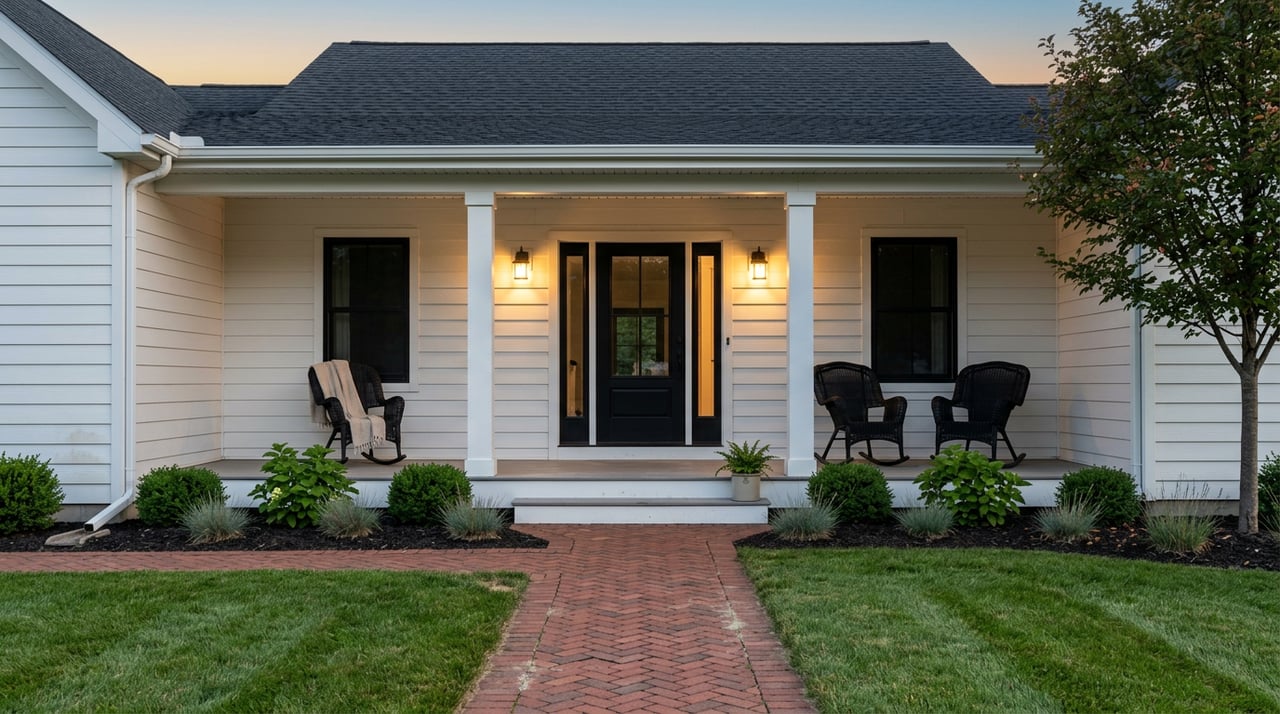
Plan your photos for when the yard looks its best. In spring, wait until grass greens up and shrubs leaf out. In early summer, schedule morning or golden-hour sessions to avoid harsh light. If you list in fall, aim for a day with peak color. Ask your photographer for twilight photos if your exterior lighting shines.
Pick the right listing day and showing plan
Many sellers benefit from going live early in the week. That timing builds online momentum and sets up a busy first weekend of showings. Coordinate with your agent to open showings immediately and hold any first open house after at least a day of online exposure. Consider a brief offer window if demand is high, so buyers have time to visit and submit their best terms.
Pricing for the first two weeks
Your strongest leverage usually comes in the first 10 to 14 days. Price with current comps and active inventory in mind to position your home competitively. If you need to adjust, do it early rather than waiting weeks. The goal is to maintain energy while your listing is fresh.
Strategies against new construction
If builders nearby are active, lean into what your home offers that a new spec cannot. Highlight mature trees and privacy, window treatments already installed, established neighborhoods, and any upgrades that would cost more to replicate. Make sure your photos and staging feel warm and move-in ready. If incentives are common with new builds, consider an early credit toward closing costs to boost your value story.
What to check before choosing a date
Ask your agent to pull neighborhood-level metrics and confirm conditions in real time. A short checklist keeps your decision data-driven.
- Median days on market and median sale price by month for your neighborhood over the last 12 to 24 months.
- Active inventory and months of supply for Williamson County and your immediate area.
- Nearby new-construction communities, pricing, and any move-in incentives within 5 to 10 miles.
- Recent comparable sales and pending contracts that show current buyer demand.
- Local school calendar and major community events over the next 3 to 4 months.
- Input from a local lender on mortgage-rate trends and buyer qualification patterns.
- Typical buyer profile for your neighborhood, including commute preferences and seasonality.
- Peak foliage and flowering windows for exterior photography in Williamson County.
Practical timelines by seller type
Your best listing date should also match your personal goals. Here are common scenarios.
Families targeting a summer move
List in March through May to secure a June or July closing. Build in time for prep and staging during winter or early spring. Consider flexible closing or temporary occupancy if timing is tight.
Relocating buyers or sellers with a fixed start date
If a job start dictates timing, launch as soon as the home is market-ready. In low-inventory conditions, even winter can work well. Ask your agent to adjust pricing and marketing speed to your deadline.
Luxury and high-end homes
High-end buyers often tour year-round, and late summer or early fall can be productive. Fewer competing listings can help you stand out. Invest in premium visuals, video, and a strong digital rollout to reach relocating and out-of-area buyers.
Downsizers or senior sellers
You may prioritize a smooth, low-stress process over speed. Build a longer prep runway and coordinate services such as staging, organizing, and mover referrals. Early spring listings can create options, but a less crowded fall market can also deliver respectful timelines and serious buyers.
Quick recommendation
If your goal is maximum buyer interest, target a launch between late March and mid-June, with preparation beginning 6 to 10 weeks ahead. If spring is not possible, early June or late July to August can still align with family moves. Confirm the plan with current neighborhood metrics and inventory patterns before you pick your date.
Ready to map your timeline, prep plan, and launch strategy around Thompson’s Station? Reach out to schedule a consultation with Sandra Hill for data-driven guidance, professional listing presentation, and a tailored plan that fits your goals.
FAQs
Is spring always the best time to list in Thompson’s Station?
- Spring usually brings the most buyers and competition, but local inventory and mortgage-rate trends can shift the advantage; confirm with current MLS metrics before choosing a date.
How can I time a sale so my children finish the school year?
- List in March through May to target a June or July closing, then use flexible terms to align the move with the August school start; coordinate specifics with your agent.
What if there is a lot of new construction near my home?
- Differentiate with competitive pricing, updates in key rooms, strong professional photography, and mature-lot advantages; consider timing to avoid major model-home releases.
Will listing in late fall or winter hurt my price?
- Buyer volume is smaller in winter, but shoppers are often more motivated; a well-priced, well-marketed home can still sell quickly, especially when inventory is low.
Does the day of the week I list actually matter?
- Early-in-the-week launches can build online momentum leading into weekend showings, often boosting first-week traffic and your chances of early offers; confirm local patterns with your agent.